Restaurant Menu Secrets: How À La Carte & Prix Fixe Really Work

Menus can feel like secret codes, but decoding them is easier than you think. À la carte, prix fixe—what’s really the difference, and how do you choose without overpaying or missing out? This guide spills the secrets so you can order like a pro, savor every course, and impress even the pickiest dining companions.

Understanding Prix Fixe and À la Carte Menus

When you open a restaurant menu and see the terms à la carte and prix fixe, it’s easy to wonder what they really mean—and which one might suit your meal best. The difference between the two comes down to flexibility and pricing.

With an à la carte menu, you choose exactly what you want, dish by dish. Each item is priced separately, allowing you to customize your meal. Maybe you feel like ordering two appetizers and skipping dessert, or maybe you want to splurge on a main course with an extra side or two. À la carte lets you call the shots.

A prix fixe menu, on the other hand, offers a set, multi-course meal at a fixed price. The chef curates a dining experience, often with seasonal ingredients and a thoughtful flow of flavors. You know the cost up front, and your only decision is which entrée to select from the prix fixe options (if there’s a choice).

Both styles of dining offer advantages, depending on the occasion. In this post, we’ll break down the differences so you can choose the approach that fits your appetite, budget, and mood.

What is À La Carte?

À la carte is a French term meaning “by the card.” It describes a dining style where each dish is ordered and priced separately, instead of being part of a fixed-price menu. This approach gives diners full control over what they eat and what they pay.

Unlike a prix fixe menu, where a multi-course meal comes at a single set price, or a buffet, where you serve yourself from a set selection, à la carte lets you pick exactly the dishes you want, in any combination.

Advantages of À La Carte

  • Full customization: Order only what fits your taste or dietary needs.
  • Cost control: Pay only for the items you choose, avoiding unwanted extras.
  • Flexible portioning: Ideal for sharing or trying multiple dishes without committing to a full meal.


Disadvantages of À La Carte

  • Potentially higher cost: Ordering several premium items can add up.
  • Less predictable total: The final bill depends on your choices, which can be tricky for strict budgets.
  • Takes more time: Choosing dishes and placing individual orders can slow service compared to a fixed menu.


Despite these trade-offs, à la carte puts diners in the driver’s seat. It’s perfect for those who want to tailor their meals, try a variety of dishes, or simply eat exactly what they crave. The key is smart choices — knowing your appetite, budget, and priorities ensures maximum value.

What is Prix Fixe?

Prix Fixe Menu
a la carte menu

What is Prix Fixe?

Prix fixe (pronounced “pree feeks”) is a French term meaning “fixed price.” It describes a dining experience where customers are presented with a set menu of dishes at one total price. Unlike à la carte, where each dish is priced individually, prix fixe provides a complete meal with a predictable cost.

Menus can vary by restaurant: they may be offered at lunch or dinner, daily, weekly, or seasonally, depending on the chef’s menu and available ingredients.

Advantages of Prix Fixe

  • Predictable pricing: You know the total cost upfront — no surprises.
  • Curated experience: Try multiple courses designed to complement each other.
  • Better value: Many restaurants price prix fixe menus lower than ordering each dish individually.
  • Effortless choices: Less decision fatigue — the menu is already planned for you.


Disadvantages of Prix Fixe

  • Limited flexibility: You’re restricted to the dishes included in the set menu.
  • Less customizable: Substitutions are often not allowed, which can frustrate diners with dietary needs or preferences.
  • Fixed portions: You get what the restaurant serves, which may not match your appetite.


Despite these limitations, prix fixe offers a convenient, curated, and often value-packed dining experience. It’s ideal for diners who want to sample multiple dishes without worrying about cost or those celebrating a special occasion. The key is matching your appetite, preferences, and budget to the menu for the best experience.

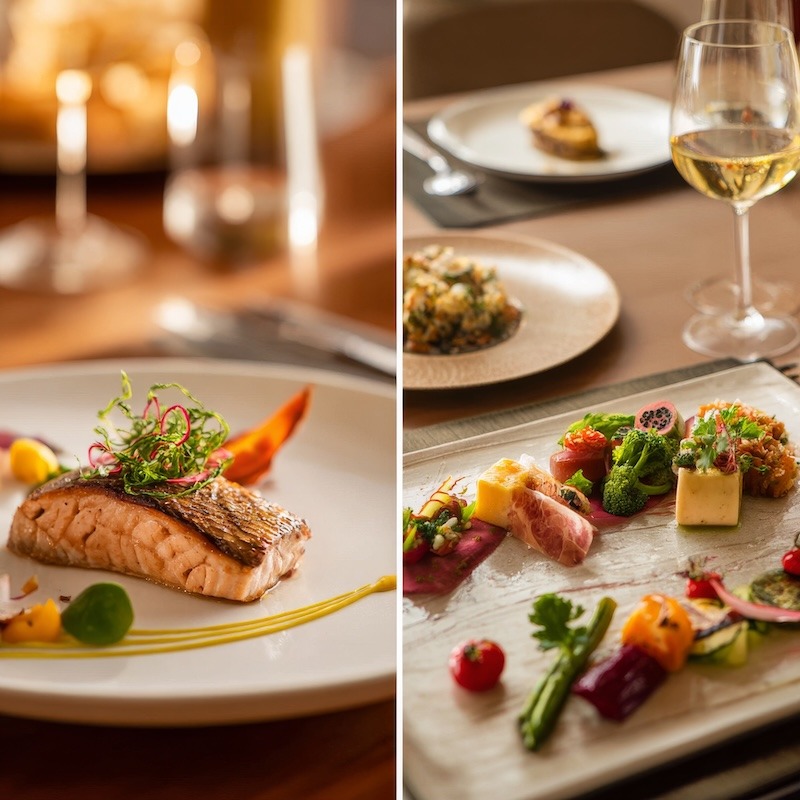
An a la carte meal on the left and a prix fix meal on the right
A La Carte on the left and Prix Fix on the right

FAQ: À La Carte vs Prix Fixe Menus

What does “à la carte” mean?

À la carte means that diners select and pay for each menu item individually. You can order exactly what you want, in any combination, and pay only for the dishes you choose.

What does “prix fixe” mean?

Prix fixe refers to a multi-course meal offered for a fixed total price. The menu usually includes appetizers, mains, and desserts, sometimes with extras like amuse-bouche or coffee.

How is pricing different between à la carte and prix fixe?

À la carte items are individually priced, giving you control over your total bill. Prix fixe meals have a single set price for the entire menu, making the total predictable.

Which menu style is more flexible?

À la carte offers full flexibility — you can pick only the items you want. Prix fixe is more structured, with limited choices based on the curated menu.

Which menu style is better value?

It depends on your dining goals. Prix fixe can be better value for full multi-course meals, while à la carte can save money if you only want one or two dishes.

Can à la carte be expensive?

Yes, ordering multiple items à la carte can add up quickly. The total cost is unpredictable and depends on the number and price of dishes you select.

When should I choose prix fixe?

Choose prix fixe for special occasions, tasting menus, or when you want a full curated dining experience with predictable costs.

Are à la carte menus good for sharing?

Yes, à la carte is ideal for sharing because you can order specific dishes in portions that suit your group.

What kind of restaurants use prix fixe menus?

Prix fixe is common in fine dining restaurants, tasting menus, holiday or event dinners, and celebratory occasions.

Can I get small portions with prix fixe?

Not usually — portions are fixed per course. If you have a small appetite, à la carte may be a better choice.

Which menu style is casual vs formal?

À la carte spans casual to fine dining, giving you flexibility. Prix fixe tends to be formal or curated for special occasions.

Are there any hidden surprises with either menu?

À la carte’s total can be unpredictable if you order multiple items, while prix fixe includes courses you may not want, so choose carefully based on your appetite and preferences.

Side-by-side comparison of two restaurant meals: on the left, a single plated dish with a few items (à la carte), on the right, a full multi-course elegant meal with appetizer, main, dessert (prix fixe)

Leave a Reply

Your email address will not be published. Required fields are marked *

This site uses Akismet to reduce spam. Learn how your comment data is processed.