Flavorful Crust
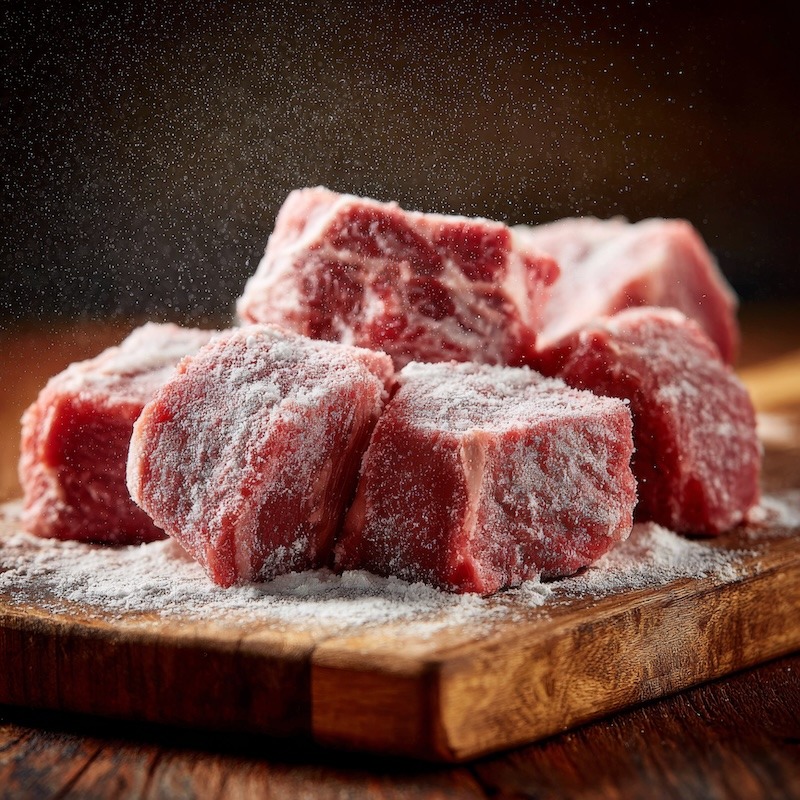
Flour does more than thicken sauces. When you flour meat, especially with seasoned flour, you build flavor and protect the meat at the same time. The flour forms a thin shield between the meat and the hot pan. This insulation helps prevent scorching and keeps the interior moist while the surface cooks.
Flouring also opens the door to extra flavor. When a recipe calls for flouring, check the ingredient list. You can often season the flour to match the dish. Those added spices cook right along with the meat. They toast. They bloom. They become part of the crust.
Say you are cooking a Cajun-inspired dish. Add cayenne, paprika, or Cajun seasoning to the flour before dredging the meat. As the meat cooks, the flour browns. Because flour contains proteins and sugars, it participates in Maillard reactions, just like meat does. This creates savory, complex flavors.
The process does not stop there. As the meat cooks, the starches in the flour absorb juices from the meat. They swell and gelatinize. This creates a lightly sticky coating that clings to the surface and insulates it from direct heat.
This technique shines with delicate foods, especially fish. The flour protects the flesh, prevents sticking, and creates a thin, crisp crust without drying it out.
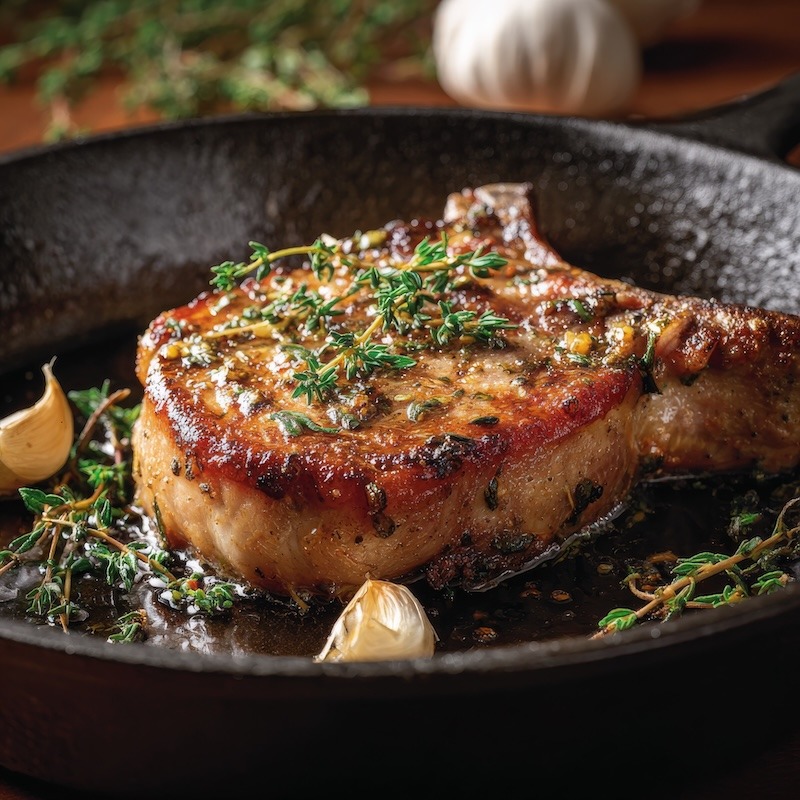
Floured meat browns differently than bare meat. The flavors are not identical, but they are layered and rich. When you brown floured meat, you add depth and complexity that unfloured meat simply cannot match.




25 Responses
From the meat perspective, floured and not floured, result in different products, one should try and have both versions under the sleeve.
Sometimes, more than thickening, you want to group, smooth things together in the sauce, when liquid aren’t fully homogeneous.
Cheers
I am not a professional, however I feel that i know enough due to my love of cooking. In most instances, flouring the meat before browning imparts flavor more so than thickness. While some flour does thicken up a liquid, the most distinctive difference is that of taste. Also to consider is that of keeping the juices in by searing…forming a thin crust with flour. Most of the time, I opt for pan searing with floured meat. Why? The taste is more complex and desirable…Try it yourself. throw a piece of meat in an oiled pan and cook it. Then, try it dredged in a light coating of flour and cook it. You will see and taste the difference. My favorite would be to try pork tenderloin. Cut the loin into 3rd’s, Dredge them in some lightly seasoned flour, and brown it in some oil- on all sides until golden. Scoop some orange marmalade and put a dollop on the top of each piece and place in 400 degree oven for 12-15 minutes.
Try the same recipe, but omit the flour dredging. You will then have your answer. What a difference in flavor and texture. its also another step in prep…so it takes longer, but I feel its worth it in most applications of beef and pork.
As an enthusiastic cook, you probably should know that the whole “sealing in the juices” spiel is utter rubbish. No such thing occurs. Try it for yourself, weigh the meat before “sealing”, and again after.
Just one of those myths that everyone seems to believe.
You’ve got something mixed up here. Searing meat to “seal in the juices” for further cooking is a myth and doesn’t work. Covering it in starch on the other hand *does* help keep in the juices, as the starch will bind water, which the meat is then surrounded with, leading to a) a lower temperature of the meat and b) a moist surrounding allowing the meat to take in some of that moisture when the connective tissue breaks down into gelatin and binds water itself.
I agree that searing meats to “seal in juices” is no longer acknowledged by chefs today although you will still see plenty of cookbooks and cooking magazine articles say it does. When I started learning how to cook and created the lavenderblush-cod-761369.hostingersite.com web site, that’s what I learned so many of my older posts need to be changed to reflect my new way of thinking. I believe I did correct this one too. Thanks for your other comments about starches helping keep in the juices. Very interesting.
When I was a Camp Fire Girl back in the day, the leaders I had in my Jr Hi days took us on several trips and taught us a recipe they dubbed “mountain stew”. Straight out of the “A Man, a Can, a Plan” genre of cooking, it was super simple — and actually really tasty. It became a favorite on my family’s camping trips as well. My sister and I still love it and still make if often, many years later. I do change the recipe a bit by adding garlic with the onions, plus beef broth for a bit more liquid, and red wine for more flavor in the broth. I also flour the meat before browning, which is not part of the original recipe either. Whatever cooking science may say, I prefer the meat dredged in a bit of flour and cooked with onions and garlic first, then put in with all the veggies for the stew. Call me crazy — I’ve done it both ways and the flour dredging does make a difference.
Thanks for sharing your story Karen. What incredible cooking memories.
Excellent comment Juls.
Makes sense, but why are some recipes requiring you to soak meat in buttermilk or eggs before dredging in flour? is that for flavor also?
Some recipes call for soaking meat in buttermilk or eggs before dredging it in flour to improve flavor, texture, and coating adhesion. Here’s why:
1. Tenderizes the meat: Buttermilk contains acids that gently break down proteins in the meat. This makes chicken, pork, or other cuts more tender and juicy when cooked. Eggs don’t tenderize as much, but they help coat the meat evenly.
2. Helps flour stick: Both buttermilk and eggs create a slightly sticky surface. Flour adheres better, forming a uniform coating. This ensures a crisp, even crust instead of patchy or falling-off breading.
3. Adds moisture and flavor: Buttermilk adds a subtle tang, while eggs add richness. They also help the seasoning in the flour stick.
4. Enhances browning: The proteins in eggs or the sugars in buttermilk help the crust brown more evenly, giving a flavorful, golden exterior.
It’s a simple step that improves texture, flavor, and the overall cooking result.
One thing that I have found, is that if you brown your meat heavily after it has floured, it’s thickening ability will be reduced. It stands to reason the darker a roux the less thickening power. The same applies to flour browned on meat. For the best thickening result. The meat should be only blond on each side before the liquid is added to the pan. Then the seared meat can be briefly simmered in the liquid the thicken the sauce and some cold butter can be added to the pan to finish. Obviously this technique is not good for say steak, but then why would you be flouring your steak anyway. For dishes like chicken Marsala this seems a good technique.
Interesting – RG
Hi, just discovered your blog. Like your explanations (scientific, like Alton Brown).
I would like to bake poultry breast down (for juicy meat) and in an old fashioned enclosed roaster (or roasting wrap) to eliminate spatters (I don’t like to constantly clean my oven). How can I fake browning (as there will be none) and get some browning flavors?
Impossible?
Not impossible! You can mimic browning flavors even in an enclosed roaster:
Quick sear first (optional): 1–2 minutes in a hot pan for flavor, not full color.
Use umami: Rub with soy sauce, Worcestershire, or miso to deepen taste.
Aromatics: Add browned onions, garlic, or herbs to the roaster for roasted notes.
Butter or oil: Dot with herb butter; it carries flavor and enriches juices.
Broil briefly (optional): A few minutes at the end adds color and Maillard flavor without splatter.
Pan sauce after cooking: Sauté aromatics in butter or drippings to give roasted depth.
This keeps the breast juicy, eliminates oven mess, and gives you rich, “browned” flavor.
Hi Thank you if you could help me, I’m oven roasting two turkey Brest, and how should I roast the top with flour or other?
Thank you.
as a learner cook form South Africa, thanks for your insight and carefully thought out analyses
You are very welcome.
I dredge my beef in flour, ONLY because my grandmother did and my mother did too. My mom especially told me to buy Chuck for a stew ALWAYS. My dad’s mom, paternal grandmother, agreed with the buy Chuck meat choice. They both dredge, Brown, and use Chuck and cook in beef broth for at least 2.5 hrs, if not 3 hours. Simmer ONLY. My grandmother was ALWAYS the better cook. My mom is just so-so. The English are NOT known for Great cooking. My grandmother was an exceptional cook—plum pudding, Yorkshire pudding, the best cobblers, etc. So I cook like they did. My grandchildren pester me for stew several times during the winter. My oldest grandson, 21, loves it. He’s my stew baby. So happy I found your website. Thank you, Bomb on. Merry Christmas
On thickening gravy, I have stopped using flour completely, and instead include in the roast 2-3 potatoes, carrots, and an onion or two, then blend with roast drippings and reduce. The results are magical!
Thanks Jeff for that tip.
Recently, have done 5 or 6 whole, 5# chickens, breast down for ½ the roast time and then rotate. Juicy!
I accidentally coated a roast in flour then left it overnight in the refrigerator. Is it still good to cook in the crock pot? It looks really weird now…
I know it’s long past pertinent to YOUR particular post, but someone else may find themselves in the same situation, so… Of course it is still good to cook in the crock pot! The flour simply drew out and absorbed juices from the meat. It’s still the same meat, and still the same flour. Cook away…
Especially for soups and stews and the like, I do like to lightly dredge in flour (or cornstarch). Multiple reasons for me. 1) The flavor from the browning, 2) How silky (not always thick…but velvety) it can make the cooking liquid…particularly when I don’t have time to do a long cook time, 3) It seems to make the meat more tender…whether I barely brown it or go for a deep golden brown (and even when I cook it less than an hour). I’m guessing in a way on the third reason, part of it might be a similar science to how Asian restaurants “velvet” meat. Perhaps a quick and dirty version, but even super cheap stew meat always comes out tender instead of stringy or tough in my experience.
Dredging can accomplish several things. As has been mentioned, it makes the flavours more complex. Powdered spices, vegetables, different grain or pulse flours, can greatly expand your dishes’ flavours. Salt added to your dredge provides savor & DOES slightly help retain some moisture. However, only bare meat seared on a dry, no oil, solid surface over VERY high heat will lose less moisture. Initially sticking to the pan, it should be left unturned until it slides at the slightest touch. The second side is cooked the same way, then a short rest before serving.
After dredging you can dip your meat in a batter. The dry powder causes batters to cling better.
Using liquids, such as buttermilk, cream, broth, juice, or puree are all to moisten your initial dredge. Beaten egg is used after a second or third dredge before rolling in breadcrumbs such as panko. This is a way to build a crust without a batter, and can be used for meat or vegetables.
Thanks C Reese for a wonderful explanation.