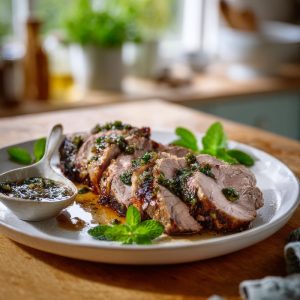
Grilled Salmon Delight: Perfectly Cooked Catch of the Day

How to Grill Salmon to Perfection

Grilling salmon is one of the easiest ways to enjoy this tasty, healthy fish. It cooks quickly and develops a wonderful smoky flavor. Whether you’re new to grilling or a seasoned pro, this post will help you get it right every time.

First, decide if you want the skin on or off. Keeping the skin on helps hold the salmon together while grilling and adds crispiness. Plus, it’s full of nutrients. If you don’t like eating the skin, you can always remove it after cooking.

Next, think about the head. Most people prefer to grill salmon with the head removed for easier handling and cleaner presentation. But if you like a rustic look or want to use the head for broth, leave it on.

Don’t forget about seasoning. Simple salt, pepper, and a bit of lemon work wonders. You can also add herbs or a marinade to boost flavor.

In this post, you’ll find tips on prepping your salmon, grilling techniques, and how to tell when it’s perfectly cooked. Ready to fire up the grill and enjoy delicious salmon?

What are the pros and cons of grilling salmon?

Grilling salmon is a popular cooking method that can result in a delicious and healthy meal. However, like any cooking method, grilling salmon has pros and cons. Grilled salmon can be a delicious and healthy way to prepare this nutritious fish.

Still, it’s important to be aware of the potential drawbacks and take steps to minimize them. You can enjoy perfectly grilled salmon every time with careful preparation and attention. Here are some of the main advantages and disadvantages:

Pros Cons
Flavor: Grilling salmon adds a smoky, charred flavor that’s hard to achieve with other cooking methods. Risk of overcooking: Salmon can dry out and become tough if overcooked. Watch the time carefully.
Health benefits: Grilling lets fat drip away, lowering calories and fat. Salmon is rich in heart-healthy omega-3s. Risk of sticking: Salmon can stick to grill grates, especially with skin on. Oil the grates well before cooking.
Quick cooking: Grilling is fast, perfect for weeknight dinners or quick meals. Flare-ups: Flare-ups can burn or char salmon. Keep an eye on the grill and move fish away from hot spots if needed.
Versatile: Grilled salmon pairs well with many sides and sauces, making it a flexible meal choice. Environmental concerns: Grilling produces smoke that can impact air quality. Grill responsibly and pick sustainable seafood.

Step-by-Step Instructions for Grilling Salmon

Here are some basic techniques for grilling salmon:

  1. Preheat the grill: Start by preheating your grill to medium-high heat. This will ensure the grill is hot enough to sear the salmon and create grill marks.
  2. Oil the grill grates: To prevent the salmon from sticking to the grill, brush the grates with oil or use a non-stick cooking spray.
  3. Season the salmon: Season the salmon with salt, pepper, and other desired seasonings, such as herbs or spices. You can also marinate the salmon beforehand to add more flavor.
  4. Place the salmon on the grill: Place the salmon fillets on the grill, skin-side down, if leaving the skin on. Let the salmon cook for 4-6 minutes on the first side, until grill marks appear and the skin is crispy.
  5. Flip the salmon: Carefully flip the salmon over using a spatula. If the skin is still attached, gently pry it away from the grill grates. Cook the salmon for an additional 3-5 minutes on the second side until it is cooked through and flakes easily with a fork.
  6. Check for doneness: Salmon is cooked through when the internal temperature reaches 145°F (63°C). Use a meat thermometer to check the temperature at the thickest part of the fillet.
  7. Remove from the grill: Once the salmon is fully cooked, remove it from the grill using a spatula. Let it rest for a few minutes before serving.
  8. Serve and enjoy: Grilled salmon pairs well with a variety of sides, including roasted vegetables, rice, or salad. For added flavor, drizzle with lemon juice or your favorite sauce.

Grilling Tips

  1. Start with fresh salmon: The fresher the salmon, the better it will taste. Look for salmon that is firm and shiny with a mild smell.
  2. Use high-quality ingredients: Use high-quality ingredients, including fresh herbs, spices, and seasonings. This will help enhance the natural flavors of the salmon.
  3. Don’t overcook the salmon: Salmon cooks quickly, so be careful not to overcook it. Overcooked salmon can become dry and tough. It is better to undercook the salmon slightly and let it rest for a few minutes before serving, as it will continue to cook as it rests.
  4. Use a fish spatula: A fish spatula is a long, thin, and flexible spatula that makes it easier to flip the salmon without falling apart.
  5. Let the salmon rest: Let the salmon rest for a few minutes before serving. This will allow the juices to redistribute throughout the fish, making it more flavorful and tender.
Grilled Salmon

Skin On or Skin Off?

Whether to grill salmon with the skin on or off is a matter of personal preference, but there are some factors to consider when deciding.

Grilling salmon with the skin on can help protect the fish from overcooking and sticking to the grill grates. The skin also contains healthy omega-3 fatty acids, which can benefit your health. However, some people prefer to remove the skin before grilling as they find it unappetizing or tough to eat.

Grilling salmon without the skin can make it easier to season the fish and give it a more evenly cooked texture. However, without the skin, the fish can be more prone to overcooking or falling apart on the grill.

Ultimately, grilling salmon with or without the skin depends on your preference and your recipe. Leaving the skin on can be a good choice if you’re grilling salmon fillets and plan to serve them as-is. However, if you’re planning to use the salmon in a recipe where the skin is not desired, such as in a salad or sandwich, it may be better to remove it before grilling.

Marinating Before Grilling

Marinating salmon before grilling is a great way to add extra flavor to the fish. The marinade can help tenderize the salmon, add moisture, and infuse it with delicious flavors.

Many marinades can be used for salmon, including Asian-inspired marinades with soy sauce and ginger, citrusy marinades with lemon and orange juice, and herb-infused marinades with dill or rosemary.

To marinate salmon before grilling, place the salmon fillets in a shallow dish and pour the marinade over them. Cover the salmon evenly and refrigerate for at least 30 minutes or up to a few hours to allow the flavors to develop.

When grilling marinated salmon, be careful not to overcook it, as the sugars in the marinade can burn quickly. Discarding any remaining marinade and patting the salmon dry before grilling to prevent flare-ups on the grill is also essential.

Marinade for Grilled Salmon

Different marinades can be used for salmon, depending on your taste preferences. Here is a simple and tasty marinade recipe for salmon.
Prep Time10 minutes
Total Time10 minutes
Course: Marinade
Cuisine: American
Keyword: marinade, salmon
Servings: 4 servings

Ingredients

Instructions

  • Whisk together the olive oil, soy sauce, honey, Dijon mustard, garlic, ginger, salt, and pepper in a small bowl until well combined.
  • Place the salmon fillets in a shallow dish and pour the marinade over them, coating the salmon evenly.
  • Cover the dish with plastic wrap and refrigerate for at least 30 minutes or up to a few hours.
  • When ready to grill, remove the salmon from the marinade and discard any remaining marinade.
  • Pat the salmon dry with paper towels and grill over medium-high heat until the salmon is cooked through and slightly charred on the outside.

Notes

This marinade has a sweet and savory flavor that pairs well with the rich, buttery taste of salmon. Feel free to experiment with different herbs, spices, and seasonings to create your unique marinade recipe.

Grilling a Whole Salmon with the Head On

Whole Salmon to be Grilled

Grilled Salmon with Head On

How to grill salmon with the head on.
Prep Time5 minutes
Cook Time20 minutes
Total Time25 minutes
Course: Main Course
Cuisine: American
Keyword: grilled salmon

Ingredients

Instructions

  • Preheat the grill to medium-high heat.
  • Rinse the salmon with cold water and pat dry with paper towels.
  • Season the inside and outside of the salmon with salt and pepper to taste.
  • Stuff the cavity of the salmon with lemon slices and fresh herbs.
  • Brush the outside of the salmon with olive oil to prevent it from sticking to the grill.
  • Place the salmon on the grill, skin side down, and close the lid.
  • Grill the salmon for 15-20 minutes per side or until the internal temperature reaches 145°F (63°C).
  • Use a large spatula to transfer the salmon to a platter carefully.
  • If desired, garnish the salmon with additional fresh herbs and lemon slices, and serve hot.

Notes

Grilling a whole salmon on the grill can be tricky because it is a large and delicate fish. Handle the salmon carefully to prevent it from falling apart, and use a meat thermometer to ensure it is fully cooked. You can also add additional seasonings and flavors to the salmon, such as garlic, ginger, or spices, to give it more flavor.
Salmon on Grill

Leave a Reply

Your email address will not be published. Required fields are marked *

Recipe Rating


This site uses Akismet to reduce spam. Learn how your comment data is processed.