

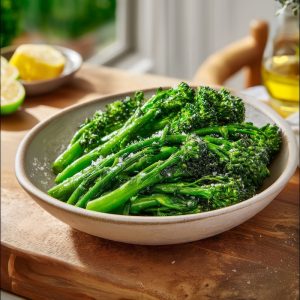
Grilling vegetables isn’t just throwing them on the heat—it’s about coaxing out smoky sweetness, perfect char, and maximum flavor. Done wrong, they flop or burn; done right, they elevate any meal. This guide shows the essential techniques, tips, and timing so your veggies impress every time, no guesswork required.
Top Vegetables for Grilling and How to Prepare Them
Grilled vegetables are one of the easiest, tastiest ways to enjoy fresh produce. The grill brings out their natural sweetness and adds a hint of smoky flavor. Whether you’re cooking on gas, charcoal, or a grill pan, the method is simple and rewarding.
You don’t need fancy ingredients—just fresh veggies, a little oil, and a few seasonings. Bell peppers, zucchini, mushrooms, onions, and asparagus all hold up well to the heat. You can even toss on some cherry tomatoes or corn on the cob for extra variety.
Grilling vegetables is also super flexible. Serve them as a side dish, toss them with pasta, layer them in sandwiches, or top a salad. They add color, flavor, and texture to any meal.
In this recipe, I’ll walk you through everything: prep tips, how to cut your vegetables, what seasonings work best, and how long to grill each type. Whether you’re a beginner or a seasoned griller, you’ll find this guide easy to follow.
So fire up the grill, grab your veggies, and let’s get cooking. Once you taste how good grilled vegetables can be, you’ll want to make them again and again. Let’s dive into the simple steps that turn fresh produce into smoky, caramelized perfection.
Vegetable - Prep - Cut - Cooking Times
While many vegetables grill beautifully, some don’t hold up well to direct heat or lose their texture and flavor. If you’re determined to grill any of these, consider using a grill basket, foil packet, or combining them with sturdier vegetables. Grilling is about balance—some veggies need a bit of extra care or an alternate method to shine.
| Vegetable | Prep | How to Cut | Grill Time (per side) |
|---|---|---|---|
| Asparagus | Snap off woody ends | Leave whole | 2–3 minutes |
| Beets | Peel and parboil until tender | Slice into 1/4-inch rounds | 2–3 minutes |
| Bell Peppers | Remove stem, seeds, and membranes | Quarter or cut into wide strips | 4–5 minutes |
| Broccolini | Trim tough ends | Leave whole or halve thick stems | 3–4 minutes |
| Brussels Sprouts | Trim ends and halve | Skewer or use grill basket | 5–6 minutes |
| Cabbage | Remove loose outer leaves | Slice into thick wedges | 4–5 minutes |
| Carrots | Peel and trim | Cut lengthwise or into thick slices | 5–7 minutes |
| Cauliflower | Remove leaves and core | Slice into 1/2-inch "steaks" | 5–6 minutes |
| Cherry Tomatoes | Rinse and dry | Thread onto skewers | 2–3 minutes |
| Corn on the Cob | Remove husks and silk | Leave whole or cut in half | 10–12 minutes, rotating |
| Eggplant | Trim ends, optionally salt to reduce bitterness | Slice into 1/2-inch rounds or planks | 3–4 minutes |
| Fennel | Trim stalks and fronds | Slice bulb into 1/2-inch wedges | 4–5 minutes |
| Green Beans | Trim ends | Skewer or use grill basket | 3–4 minutes |
| Mushrooms (Portobello) | Clean with a damp cloth | Leave whole or slice thick | 4–5 minutes |
| Onions (Red or Yellow) | Peel outer layer | Slice into 1/2-inch thick rounds | 4–5 minutes |
| Sweet Potatoes | Peel if desired | Slice into 1/4-inch rounds or wedges | 4–6 minutes |
| Tomatoes (Large, Firm) | Core and slice | Thick slices (at least 1/2-inch) | 2–3 minutes |
| Zucchini | Wash and trim ends | Slice lengthwise into 1/2-inch planks | 3–4 minutes |
Grill Baskets & Why They Are Great For Grilling Vegetables
A grill basket is a handy tool designed to make grilling small or delicate foods, like vegetables, much easier. Here’s a clear breakdown of what it is and how it works:
What a Grill Basket Is
- It’s usually a metal container or tray with holes or slats that allow heat and smoke to reach the food.
- Made from stainless steel, cast iron, or nonstick-coated metal.
- Some baskets have handles for easy tossing or moving, while others are simple sheets that sit directly on the grill.
- They come in different sizes: some are flat for stir-frying-like tossing, others are deeper for holding larger amounts of food.
How It Works for Vegetables
- Keeps Small Pieces Contained – Tiny vegetables like cherry tomatoes, asparagus tips, sliced mushrooms, or bell pepper strips won’t fall through the grill grates.
- Promotes Even Cooking – The holes in the basket allow direct heat and smoke to reach the vegetables while letting you toss and stir themfor uniform cooking.
- Reduces Flare-Ups – Vegetables can drip oils or marinades, but the basket prevents them from directly hitting flames, reducing burning and flare-ups.
- Easy Handling – You can move the entire basket at once, instead of individually flipping each piece. Some baskets even allow you to toss vegetables like a stir-fry, keeping them coated in oil or seasoning.
- Versatility – Great for grilling more delicate vegetables or mixed veggie medleys that would otherwise be tricky on standard grates.

Step-by-Step Instructions for Grilling Vegetables
- Choose your vegetables Select firm, fresh vegetables like zucchini, bell peppers, mushrooms, onions, asparagus, or eggplant.
- Wash and dry Rinse the vegetables under cold water and pat them dry with a clean towel.
- Cut for even cooking Slice vegetables into uniform sizes—about 1/2-inch thick—to ensure they cook evenly.
- Preheat the grill Heat your grill to medium-high (about 375–450°F). Clean and oil the grates.
- Toss with oil and seasoning Lightly coat veggies with olive oil and season with salt, pepper, and optional herbs or spices.
- Use skewers or grill baskets For small or delicate items like cherry tomatoes or green beans, use skewers or a grill basket to prevent falling through the grates.
- Grill over direct heat Place vegetables directly on the grill or in a basket. Close the lid and cook each side for 2–6 minutes, depending on the vegetable.
- Turn only once Let grill marks form before flipping. Don’t move them too often.
- Check for doneness Veggies should be tender with light char but not mushy.
- Serve warm Transfer to a platter and serve immediately, or toss with dressing for a grilled vegetable salad.
Prepping Vegetables For the Grill
| Vegetable | Marinade / Seasoning Blend | Marinate Time | Finishing Sauce / Garnish |
|---|---|---|---|
| Asparagus | Olive oil, garlic, lemon zest, salt, pepper | 10–15 min | Drizzle of balsamic glaze or shaved parmesan |
| Bell peppers | Olive oil, smoked paprika, salt, pepper | 10 min | Balsamic reduction or fresh herbs |
| Broccoli | Olive oil, garlic powder, chili flakes, salt | 10 min | Sprinkle of lemon juice or grated parmesan |
| Brussels sprouts | Olive oil, maple syrup, smoked paprika, salt | 15 min | Drizzle of mustard vinaigrette or balsamic glaze |
| Cauliflower | Olive oil, curry powder, garlic, salt | 15 min | Yogurt sauce, tahini, or fresh herbs |
| Corn on the cob | Butter, smoked paprika, chili powder, salt | 5–10 min | Lime juice, cotija cheese, or herb butter |
| Eggplant | Olive oil, garlic, oregano, salt | 20 min | Drizzle of tahini, fresh herbs, or balsamic reduction |
| Fennel | Olive oil, lemon juice, salt, pepper | 10 min | Shaved parmesan or fresh parsley |
| Green beans | Olive oil, garlic, lemon zest, salt, pepper | 10 min | Toasted almonds or sesame seeds |
| Mushrooms (portobello) | Soy sauce, balsamic vinegar, garlic, olive oil | 20–30 min | Fresh herbs, truffle oil, or balsamic drizzle |
| Onions | Olive oil, thyme, salt, pepper | 10 min | Balsamic glaze or fresh herbs |
| Carrots | Olive oil, honey, thyme, salt | 15 min | Chopped parsley or lemon zest |
| Tomatoes (firm) | Olive oil, garlic, oregano, salt, pepper | 5–10 min | Fresh basil or balsamic glaze |
| Zucchini | Olive oil, garlic powder, dried herbs, salt, pepper | 10 min | Grated parmesan or fresh herbs |
How to Use Grilled Vegetables in Your Cooking
| Idea | Description | Why It Works |
|---|---|---|
| Grilled Vegetable Platter | Serve a variety of grilled vegetables as a colorful side dish or appetizer. | It’s easy, versatile, and showcases the natural flavor of each veggie. |
| Grilled Veggie Sandwich | Layer grilled zucchini, peppers, onions, and eggplant on crusty bread with cheese or hummus. | Adds bold, smoky flavor and texture to sandwiches. |
| Pasta with Grilled Vegetables | Toss grilled vegetables with cooked pasta, olive oil, and Parmesan. | Creates a hearty, satisfying meal with minimal ingredients. |
| Grilled Veggie Salad | Combine grilled vegetables with fresh greens and a vinaigrette. | Mixes warm and cool textures, and adds depth to a simple salad. |
| Pizza Topping | Top pizza dough with grilled vegetables, sauce, and cheese. | Gives homemade or store-bought pizza a gourmet boost. |
| Grain Bowls | Add grilled veggies to quinoa, rice, or farro with a sauce or dressing. | Creates a balanced, nutritious meal packed with flavor. |
| Omelets or Frittatas | Fold grilled vegetables into eggs with cheese and herbs. | Enhances breakfast or brunch with smokiness and nutrients. |
| Tacos or Wraps | Use grilled vegetables as the main filling for tacos or flatbread wraps. | Perfect for plant-based meals and easy to customize. |
| Soup Garnish | Top creamy soups with a few pieces of grilled vegetables. | Adds texture, color, and a hit of smoky flavor. |
| Antipasto Platter | Include grilled veggies with cured meats, olives, and cheeses. | Balances rich flavors with fresh, charred notes. |
Vegetables to Keep Away from the Grill & Why
| Vegetable | Why It’s Not Great for Grilling | Tips or Alternatives |
|---|---|---|
| Lettuce (esp. soft types like romaine hearts or butter lettuce) | Wilts quickly, can become soggy or bitter | Grill only firm romaine halves briefly, or use raw |
| Spinach | Too delicate, wilts and shrinks almost instantly | Better sautéed or used raw in salads |
| Kale | Tends to burn or crisp unevenly unless oiled well | Try kale chips in the oven or grill in foil packets |
| Arugula | Very delicate, turns bitter and mushy under heat | Use fresh in salads or on top of grilled dishes |
| Cucumbers | High water content, becomes mushy and bland | Better raw or pickled |
| Radishes | Loses crunch and sharpness, gets rubbery when grilled | Roast in oven or sauté for better texture |
| Celery | Stringy and watery, doesn’t soften or char nicely | Use in soups or cold dishes |
| Bok Choy (Baby) | Can char unevenly; stems stay hard, leaves burn quickly | Grill only halved large bok choy or stir-fry |
| Avocado (ripe) | Too soft, may fall apart or stick to grill | Grill only firm, underripe halves briefly or serve fresh |
Grilled Vegetables FAQ
What vegetables are best for grilling?
Firm, hearty vegetables like bell peppers, zucchini, eggplant, asparagus, mushrooms, corn, and onions grill best. Softer vegetables like tomatoes or leafy greens need careful handling or skewering to prevent falling apart.
Do I need to blanch vegetables before grilling?
Blanching is optional but helpful for dense vegetables like carrots, broccoli, or green beans. It softens them slightly and ensures even cooking on the grill.
How should I prepare vegetables for the grill?
Wash, dry, and cut vegetables into even-sized pieces to ensure uniform cooking. Toss with olive oil, salt, and pepper before placing on the grill. Skewers or grill baskets help with smaller pieces.
How hot should the grill be?
Medium to medium-high heat is ideal for most vegetables (around 375–450°F). High heat sears and caramelizes the outside while keeping the inside tender.
How long do vegetables take to grill?
Cooking time varies:
- Bell peppers, zucchini, eggplant: 6–10 minutes
- Asparagus: 4–6 minutes
- Corn: 10–15 minutes
- Mushrooms: 5–8 minutes
Turn occasionally for even char marks.
Should I marinate vegetables before grilling?
Marinating adds flavor and moisture. Simple olive oil, lemon juice, garlic, herbs, or balsamic vinegar works well. Avoid heavy marinades that drip and cause flare-ups.
How can I prevent vegetables from sticking to the grill?
- Brush the grill grates with oil.
- Oil the vegetables, not just the grill.
- Use grill baskets for delicate pieces.
Can I grill frozen vegetables?
Yes, but thaw first and pat dry to remove excess moisture. Frozen vegetables release water that can steam rather than grill, reducing flavor and caramelization.
How do I know when vegetables are done?
Vegetables are done when they’re tender but still slightly firm and have light grill marks. Taste-testing is the best method to avoid overcooking.
Can I grill vegetables indoors?
Yes. Use a stovetop grill pan or an electric indoor grill. Preheat, use medium-high heat, and follow the same timing as an outdoor grill.
How should I season grilled vegetables?
Salt and pepper are essential. Add herbs like rosemary, thyme, oregano, or parsley. A squeeze of lemon, drizzle of balsamic, or sprinkle of parmesan can finish the dish beautifully.
Can I prepare vegetables ahead of time?
Yes. Cut, marinate, or pre-blanch them up to a day in advance. Store in the fridge in an airtight container. Grill just before serving to maintain texture and flavor.
How do I store leftovers?
Store cooled grilled vegetables in an airtight container in the refrigerator for up to 3–4 days. Reheat gently, toss in a little olive oil, or enjoy cold in salads or grain bowls.


