
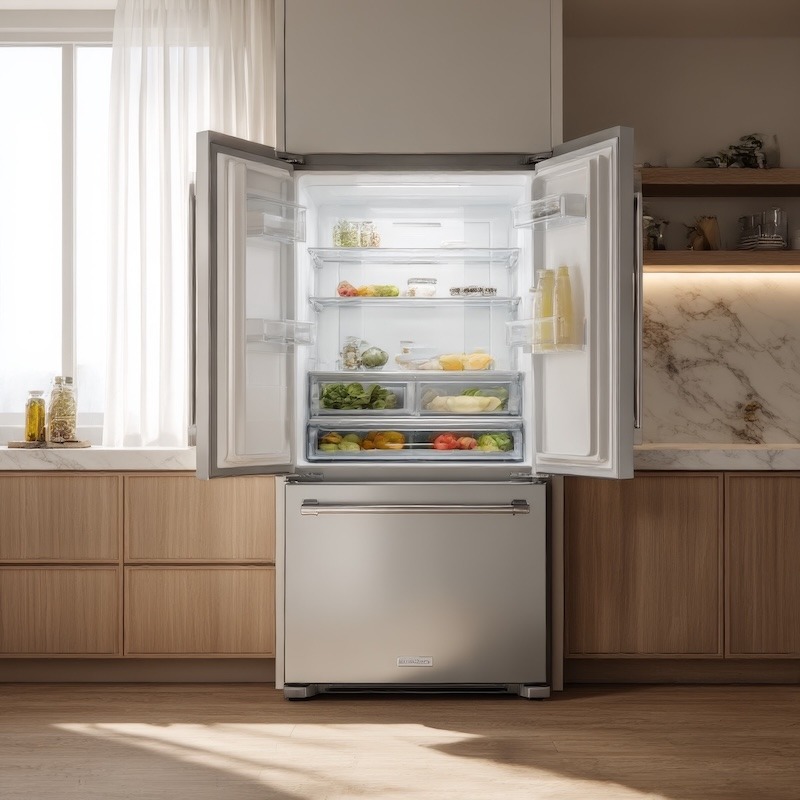

Choosing and Buying a Kitchen Refrigerator
Choosing a new refrigerator can feel overwhelming. There are so many styles, sizes, and features. But the right fridge can transform your kitchen. It keeps your ingredients fresh, reduces food waste, and makes meal prep easier.
Home cooks need more than just a cold box. You need organization, easy access, and reliable temperature control. Adjustable shelves and drawers help you store everything from leafy greens to large roasting pans. Humidity-controlled crisper drawers keep fruits and vegetables crisp longer. Smart features, like door-in-door access or internal water dispensers, make everyday cooking more convenient.
Size matters too. Too small, and you run out of space for groceries. Too large, and you waste energy and counter space. Energy-efficient models save money and reduce your environmental footprint. Reliable brands and proper installation prevent headaches down the road.
This guide walks you through all the key decisions. You’ll learn about refrigerator types, must-have features, energy efficiency, food preservation technology, and budget considerations. By the end, you’ll know how to choose a fridge that fits your kitchen, your cooking style, and your lifestyle.
A great refrigerator isn’t just an appliance. It’s the heart of your kitchen. Let’s make sure you pick the one that works for you.
What To Consider When Buying a New Refrigerator
| Topic | Short Description | Why Important for Home Cooks |
|---|---|---|
| Refrigerator Types | Different styles like top freezer, bottom freezer, French door, side-by-side, built-in, or compact. | Determines storage layout, ease of access, and fits your kitchen space and cooking style. |
| Key Features | Adjustable shelves, humidity-controlled drawers, ice maker, smart connectivity, easy-to-clean surfaces. | Improves food organization, convenience, and overall cooking efficiency. |
| Size & Capacity | Internal storage volume and dimensions, plus clearance for doors and ventilation. | Ensures enough space for groceries and meal prep without overcrowding. |
| Energy Efficiency | Annual electricity use, Energy Star rating, inverter compressors. | Saves money on utility bills and reduces environmental impact. |
| Food Preservation Technology | Temperature consistency, separate evaporators, air filtration, humidity control. | Keeps produce, dairy, and leftovers fresher longer, reducing waste. |
| Brand Reliability | Manufacturer reputation, service record, warranty coverage. | Reduces risk of breakdowns and costly repairs over time. |
| Budget & Price Tiers | Entry-level, mid-range, premium options and what features they include. | Helps balance needs and wants with cost, so you get the best value. |
| Delivery, Installation & Maintenance | Proper placement, leveling, water line setup, and cleaning tips. | Ensures optimal performance, longevity, and avoids future problems. |
| Checklist / Quick Guide | Summary of features, size, and priorities for quick reference. | Helps home cooks make decisions faster and avoid overlooking important factors. |
Budget
Before browsing refrigerator features, set a clear budget. Your budget defines your options and keeps your shopping focused. Knowing what you can spend prevents you from falling in love with a model that is out of reach. It also helps you prioritize the features that matter most for your cooking and lifestyle.
Budget affects every decision. Higher-end models often include smart technology, flexible storage, and advanced preservation features. Mid-range options may offer the essentials with some extras. Entry-level fridges cover the basics but may lack certain conveniences or energy-saving features.
Setting a budget early lets you weigh cost versus benefit. You can decide whether a water dispenser, door-in-door access, or energy-efficient model is worth the investment. It also prevents overspending on features you may not use. In short, your budget guides your choices, narrows your search, and ensures you find a refrigerator that fits both your kitchen and your wallet.
What are your size considerations?
Size is one of the most important factors when choosing a refrigerator. If you are replacing an existing fridge, matching or adjusting to the current space is crucial. Measure height, width, and depth carefully, including room for doors to open fully and proper ventilation. A fridge that is too large can overwhelm your kitchen and limit your workspace. Too small, and you risk running out of storage for groceries and meal prep.
If you are redesigning your kitchen, size is still important but more flexible. You can plan cabinetry and counters around the refrigerator, but it must still complement other appliances. Consider internal storage needs as well. Think about how much fresh produce, dairy, and frozen food your household uses. The right size ensures efficient organization, easy access, and a smooth workflow, making cooking and meal prep easier every day.
Features
Choosing the right refrigerator means knowing which features you genuinely need and which ones are nice to have. Some features improve food storage and organization, while others add convenience or style.
Understanding your priorities helps you focus on what will make your kitchen work best for you. The table below breaks down standard refrigerator features, explains their benefits, and explains why they matter for home cooks.
| Feature | Description | Why Important for Home Cooks |
|---|---|---|
| Adjustable Shelves | Shelves that can be moved or removed to fit tall or bulky items. | Allows flexible storage for large platters, milk jugs, or tall containers, keeping your fridge organized. |
| Crisper Drawers / Humidity Control | Separate drawers for fruits and vegetables with adjustable humidity levels. | Keeps produce fresher longer and reduces food waste. |
| Door Bins / Adjustable Compartments | Bins on the door that can be repositioned to hold condiments, bottles, or jars. | Makes frequently used items easy to access and maximizes storage space. |
| Temperature Controls | Manual or digital controls for the fridge and freezer compartments. | Maintains proper temperatures to preserve freshness and prevent spoilage. |
| Water & Ice Dispenser | Built-in dispenser for filtered water and ice cubes or crushed ice. | Convenient for daily use, saves trips to the freezer, and encourages hydration. |
| Door-in-Door / Quick Access | Secondary door for easy access to frequently used items without opening the main fridge. | Reduces cold air loss and improves energy efficiency while keeping essentials handy. |
| Smart Technology / Wi-Fi | Connectivity features like temperature alerts, inventory tracking, and remote monitoring. | Helps manage groceries, reduce waste, and monitor fridge performance from anywhere. |
| Air Filtration / Odor Control | Filters that reduce odors and bacteria inside the fridge. | Keeps food tasting fresh and prevents cross-contamination of flavors. |
| Specialty Compartments | Drawers or zones for deli meats, cheese, wine, or snacks at ideal temperatures. | Provides optimal storage for specialty foods, improving longevity and flavor. |
| Temperature-Zoned Drawers / Dual Evaporators | Separate cooling systems for fridge and freezer for precise temperature control. | Maintains consistent temperatures and humidity, keeping different foods fresher longer. |
Some Examples of Refrigerators and Their Reliability
| Price Tier | Brand | Reliability / Rating | Notes |
|---|---|---|---|
| Entry Level | Whirlpool | High reliability, consistently good repair records | Simple features, solid build, widely available parts |
| Entry Level | GE / GE Appliances | Good reliability, easy to service | Basic to mid-features; often praised for consistent cooling |
| Entry Level | Frigidaire | Moderate to good reliability | Affordable, straightforward features; some variance in long-term durability |
| Mid-Range | Samsung | Good reliability; excellent features | Smart tech, flexible storage; some repair costs can be higher |
| Mid-Range | LG | High reliability; strong customer satisfaction | Innovative features like dual cooling; energy-efficient |
| Mid-Range | KitchenAid | Good reliability; professional-grade styling | Durable, attractive design; suited for serious home cooks |
| Premium / Expensive | Sub-Zero | Top reliability; extremely long lifespan | Built-in / professional style, superior preservation, high cost |
| Premium / Expensive | Viking | High reliability; professional-grade quality | Luxury features, custom panels, strong performance in long-term use |
| Premium / Expensive | Thermador | High reliability; professional kitchen styling | Energy-efficient, advanced preservation; designed for serious home cooks |


7 Responses
My problem is that the dishwasher plastic racks are the first to disintegrate. The plastic posts and racks start to peel off, exposing the metal metal which rusts and eventually disintegrate
I purchased a fisher paykel double drawer when we built our house in 2006 and I HATE IT! The problem is there is only one spray arm on the bottom of the drawer. If a spoon or some other small item falls through the rack and impedes the arm from spinning, the whole wash is wasted. The machine should have some type of alarm to let you know that the arm is stuck, but it doesn’t. Also, there is no delay setting. I loved having it all ready to get but delaying for a few hours so it would run in the overnight hours.
We remodeled last year & I chose (stupidly) a GE Adora dishwasher. I really, really HATE it. It was a case of too fast choosing, not enough thinking. It does not have adjustable racks, which I thought came standard on all DWs, not enough room for my dishes, & no place to put small items, like coffee cup lids, etc. My own fault for not researching enough, but I need to warn other people to look at these features before buying!!
hmmmm I like this post but I would love to see some on how to save on construction costs in this tough market
Great idea Mikey, I will have to speak with my contractor for some ideas.
Anyone have a dishwasher that WAS a good purchase??? I’m looking to buy one for the 1st time. A suggestions or thoughts would be appreciated. As usual, cost is a factor and I’d like it installed.
Thank you
I purchased a Fisher & Paykel small drawer dishwasher and an Asko 24 inch standard dishwasher when we built our house. The Fisher & Paykel has been wonderful. No matter what I’m washing everything comes out beautifully every time. No surprises! The Asko on the other hand has been a nightmare. The racks didn’t hold up (the plastic is splitting), and I’ve had problems with glassware and flatware almost all the time I’ve used it. I never know what to expect when I open the door. Now I find out that dish washing detergents have changed and Asko dishwashers are not capable of handling the chemical change. I have been told by Asko to add half white vinegar to the rinse agent to prevent the white residue. That doesn’t work well and I’m forced to buy a new dishwasher!! NO MORE ASKO FOR ME.