


The Shallot Advantage: Flavor, History, and How to Cook with Them
Shallots are one of those kitchen ingredients that often get overlooked, but they really deserve more attention. They look like small onions, but their flavor is much more delicate and complex.
When you cook with shallots, you get a mild sweetness with a hint of garlic, making them perfect for adding depth without overpowering a dish.
People use shallots in all kinds of recipes. They can be sautéed, roasted, or even eaten raw in salads. Their versatility is impressive.
A simple shallot vinaigrette can brighten up any salad, and caramelized shallots add a rich, savory note to meats and vegetables. They blend well with herbs and spices, making them a favorite in many cuisines.
If you haven’t worked with shallots before, don’t worry. They are easy to peel and cook quickly. Plus, they bring a unique flavor that can elevate your meals.
In this post, I’ll share tips on selecting, storing, and cooking shallots. I’ll also explain why chefs love them and how you can use them to make your dishes tastier.
Let’s dive into the world of shallots and discover how this humble bulb can make a big difference in your cooking.
Tips for Cooking with Shallots
| Tip | Description |
|---|---|
| Peeling Shallots | Trim the root and tip, then slice the shallot in half to easily remove the papery skin. |
| Cooking Time | Shallots cook faster than regular onions; sauté gently to avoid burning and bitterness. |
| Using Raw | Thinly slice or mince shallots to add a mild, sweet bite to salads and dressings. |
| Caramelizing | Cook slowly over low heat to bring out their natural sweetness and deepen flavor. |
| Storage | Store shallots in a cool, dark, and dry place to keep them fresh for several weeks. |
| Substitution | If you don’t have shallots, use a mild onion mixed with a touch of garlic for a similar flavor. |
| Balancing Acidity | Add a splash of vinegar or lemon juice to cooked shallots to brighten their flavor in sauces and dressings. |
| Freezing | Chop and freeze shallots for later use, but note that freezing can change their texture. |
| Combining with Herbs | Pair shallots with fresh herbs like thyme, rosemary, or tarragon for enhanced flavor. |
| Roasting | Roast whole shallots with olive oil and seasonings for a sweet, mellow side dish or addition to recipes. |
Shallots vs. Onions: Key Differences
Shallots and onions may look alike, but their flavors, textures, and uses set them apart. Though both hail from the allium family, their unique qualities make them essential for different recipes. Use them wisely to elevate your cooking!
Here’s how they differ:
| Feature | Shallots | Onions |
|---|---|---|
| Size | Small, typically 1-2 inches long | Generally larger, ranging from 2-4 inches or more |
| Shape | Elongated and tapered, resembling a small garlic bulb | Round or slightly flattened |
| Texture | Finer, more delicate layers | Thicker, more robust layers |
| Flavor | Mild, sweet with subtle garlic notes | Stronger, more pungent and sharp |
| Culinary Best Used | Raw in dressings, sauces, caramelizing, and delicate dishes | Wide range: sautés, soups, stews, raw in salads, and pickling |
Why Professional Chefs Enjoy Cooking With Shallots
Professional chefs love cooking with shallots because they offer a unique blend of flavors that onions alone can’t provide. Shallots have a milder, sweeter taste with subtle hints of garlic, which adds depth and complexity to dishes without overpowering other ingredients.
This delicate balance makes them incredibly versatile—they enhance sauces, dressings, and sautés with a refined touch. Chefs also appreciate how quickly shallots cook, allowing for precise control over texture and flavor development.
When caramelized, they develop a rich, almost jam-like sweetness that elevates everything from meats to vegetables. Their smaller size and delicate layers make them easy to incorporate finely, perfect for garnishes or subtle flavor boosts.
Additionally, shallots hold up well in both raw and cooked applications, lending themselves to a wide variety of culinary styles and techniques. Their ability to blend seamlessly with herbs, spices, and acids helps chefs create layered, balanced dishes that taste sophisticated and nuanced.
Simply put, shallots are a secret weapon in the kitchen, offering elegance, versatility, and flavor complexity that professional cooks rely on to craft memorable meals.
Do Shallots Make You Cry?
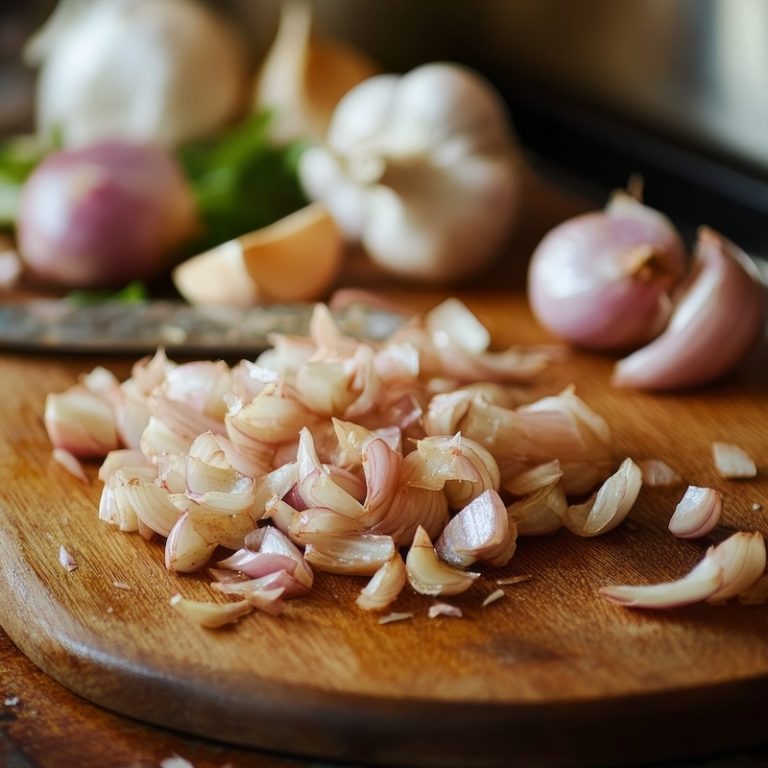
Yes, chopping shallots can make you tear up, though usually less than onions. Like onions, shallots release sulfur compounds when cut. These compounds form a gas called syn-Propanethial-S-oxide, which irritates your eyes and triggers tears.
However, they cause less irritation because they contain fewer sulfur compounds and have a milder flavor. That said, chopping a large amount can still make your eyes water.
To minimize tears, chill them in the fridge for 15 minutes before cutting. A sharp knife also helps by reducing cell damage and limiting the release of gas.
A Brief History
The history begins in Central and Southwest Asia. They likely originated in regions like Iran, Afghanistan, and Pakistan. From there, they spread across the Mediterranean and the Middle East.
The name “shallot” comes from the ancient city of Ascalon (modern-day Ashkelon in Israel). Crusaders discovered them in the 12th century and introduced them to Europe, where they quickly became beloved. In France, shallots became a cornerstone of classic French cooking, prized for their aromatic yet mild flavor.
Over time, shallots gained global popularity. They became staples in various cuisines and even featured in traditional medicine. In Asia, they were used to aid digestion and boost the immune system. Today, shallots remain essential for their versatility and refined taste.
Five Fun Facts About Shallots
- Botanical Double Identity: Shallots are botanically closer to garlic than to onions! Although they resemble onions in appearance and flavor, shallots grow in clusters like garlic, with multiple bulbs attached at the base.
- Ancient Symbolism: In ancient Persia, shallots were considered a symbol of good fortune and were often included in New Year’s celebrations to represent abundance and prosperity.
- Medicinal Uses: Beyond their culinary applications, shallots have been used in traditional medicine for centuries. In Southeast Asia, their antimicrobial properties were believed to help treat colds, boost digestion, and even ward off infections.
- Longer Shelf Life: Shallots have a longer shelf life than most onions. When stored properly in a cool, dark, and dry place, they can last up to six months without spoiling, making them a great pantry staple.
- Unique Antioxidant Profile: Shallots contain higher concentrations of antioxidants than regular onions. They are particularly rich in flavonoids and phenolic compounds, contributing to their health benefits, such as reducing inflammation and supporting heart health.
These fun facts highlight the versatility and fascinating history of shallots, making them even more intriguing to use in your kitchen!


